
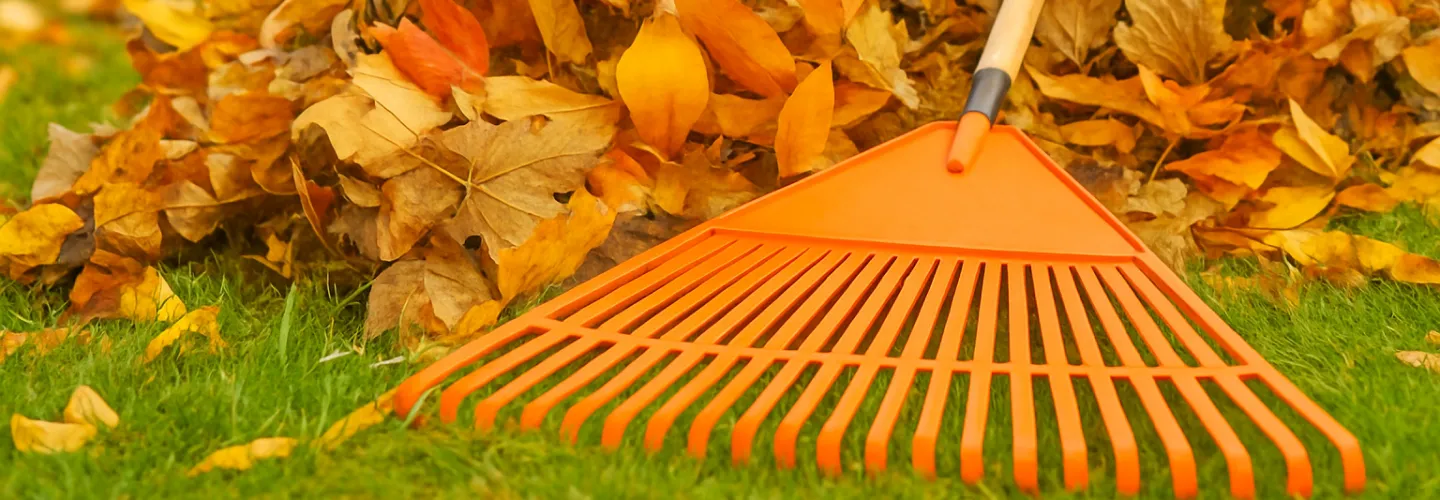
Arborwood Preserve Brush Removal Services
Choose our expert brush removal services for fast, thorough clearing that enhances your property's safety, beauty, and value—handled by professionals who care about your landscape as much as you do.
Get a Free QuoteOur Arborwood Preserve Landscaping & Yard Care Services
When to Schedule Brush Removal in Arborwood Preserve, Florida – Seasonal Guide
In Arborwood Preserve, Florida, timing your brush removal is essential for maintaining a healthy and attractive landscape. The region’s subtropical climate means that vegetation grows rapidly, especially during the warm, humid months. The optimal periods for brush removal are typically late winter through early spring, just after the last frost date and before the onset of the rainy season. This window allows for easier access to overgrown areas and minimizes the risk of disturbing nesting wildlife.
Local environmental factors such as high humidity, sandy soils, and the prevalence of shade from mature oaks and palms—common in neighborhoods like Cypress Walk and near the Arborwood Town Center—play a significant role in determining the best time for service. Additionally, being aware of drought risks and municipal guidelines, which can be found on the official town website, ensures that your brush removal is both effective and compliant with local regulations.
Local Factors to Consider for Brush Removal in Arborwood Preserve
- Tree density and type (e.g., palms vs. hardwoods)
- Terrain and soil drainage characteristics
- Seasonal precipitation and humidity levels
- Proximity to protected wetlands or preserves
- Municipal restrictions and scheduled pickup dates
- Risk of frost or drought conditions
- Shade coverage impacting undergrowth
Benefits of Brush Removal in Arborwood Preserve

Enhanced Curb Appeal
Improved Lawn Health
Reduced Fire Hazards
Increased Usable Space
Pest Prevention
Professional and Timely Service
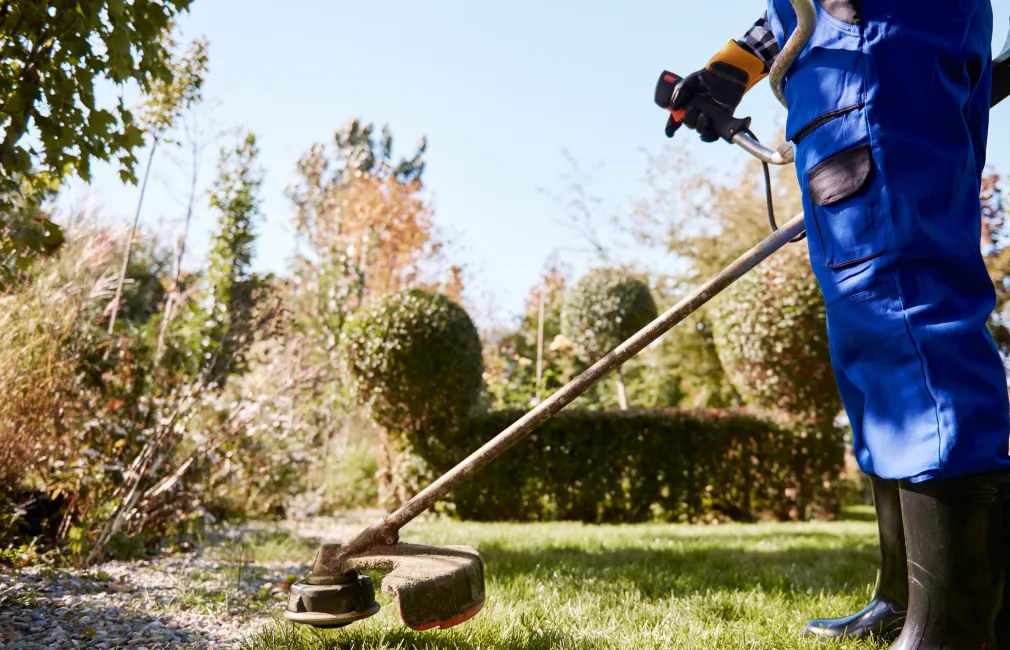
Arborwood Preserve Brush Removal Types

Manual Brush Clearing
-
Mechanical Brush Removal
-
Selective Brush Cutting
-
Mulching and Chipping
-
Herbicide Application
-
Controlled Burning
-
Stump Grinding
Our Brush Removal Process
Site Evaluation
Safety Preparation
Brush Clearing
Debris Removal
Final Inspection
Why Choose Arborwood Preserve Landscape Services
-
Arborwood Preserve Homeowners Trust Us
-
Reliable Lawn Maintenance
-
Competitive Pricing
-
Professional Team
-
Satisfaction Guarantee
-
Personalized Service
-
Prompt Response Times
Arborwood Preserve's Sandy Entisol Soils and Brush Clearing Challenges in Lee County
Brush removal operations in Arborwood Preserve must account for the community's predominantly sandy Entisol soils, which are characteristic of southwest Florida's coastal plain geology. These soils typically exhibit a pH range of 5.5–7.0, excessively well-drained profiles, and low organic matter content below 2%. The shallow water table—often encountered at 18–36 inches during the wet season (June through October)—creates saturated root zones that complicate heavy equipment staging and brush extraction. Operators should avoid driving tracked machinery across saturated sandy soils to prevent rutting and erosion that can direct sediment into nearby stormwater conveyances. Soil compaction is less problematic than in clay-based regions, but disturbed sandy areas revegetate slowly without amendment. Property owners can research site-specific soil series data through the USDA Web Soil Survey and consult UF/IFAS Extension for revegetation guidance suited to USDA Hardiness Zone 10a conditions, where year-round growing temperatures accelerate both brush regrowth and restoration planting establishment.
Coordinating Brush Debris Disposal Through Fort Myers Public Works and Lee County Programs
Arborwood Preserve residents must coordinate brush disposal through the City of Fort Myers solid waste guidelines, as the community falls within city service boundaries. Accepted curbside vegetation debris includes:
- Branches and limbs: Maximum 6 feet in length, 4 inches in diameter
- Bundling requirements: Tied in bundles not exceeding 50 pounds each
- Placement: Curbside, separated from household waste, at least 3 feet from mailboxes, meters, and fire hydrants
- Prohibited materials: Stumps, root balls, dirt-laden vegetation, and palm fronds exceeding 6 feet
Large-scale brush removal projects generating volumes beyond standard curbside limits may require scheduling a special bulk pickup or transporting material to the Lee County Solid Waste facility on Buckingham Road. Residents should contact Public Works at least 48 hours before placing oversized brush piles to confirm collection scheduling.
City of Fort Myers Public Works
2200 Second Street, Fort Myers, FL 33901
Phone: (239) 321-7000
Official Website: City of Fort Myers Public Works
Open burning of brush debris is regulated under Florida Administrative Code Chapter 5I-2 and requires authorization from the Florida Forest Service. Lee County typically restricts open burning during dry season months (November through May) when wildfire risk is elevated.
Protecting Arborwood Preserve's Stormwater Infrastructure and Wetland Buffers During Brush Removal
Arborwood Preserve's network of retention ponds, drainage swales, and conservation easements requires strict environmental compliance during brush removal operations. The community's stormwater management system operates under the South Florida Water Management District's Environmental Resource Permit, and the Arborwood Community Development District maintains oversight of common-area drainage infrastructure. Key environmental compliance requirements include:
- Wetland buffer zones: Maintain a minimum 25-foot undisturbed buffer from the ordinary high-water line of retention ponds and conservation wetlands
- Sediment control: Install silt fencing or turbidity barriers when clearing brush within 50 feet of any surface water feature
- Debris containment: Prevent cut vegetation, sawdust, and wood chips from entering storm drains, swales, or pond littoral shelves
- Protected species screening: Survey work areas for gopher tortoise burrows (protected under Florida Statute 379) before mechanized clearing; burrows require a 25-foot undisturbed radius
Compliance with the Florida Environmental Protection Act and the Clean Water Act MS4 permit provisions is mandatory. Violations involving sediment discharge or wetland disturbance may result in enforcement actions from the Florida Department of Environmental Protection or EPA Region 4.
Arborwood Community Development District
2300 Glades Road, Suite 410W, Boca Raton, FL 33431
Phone: (561) 571-0010
Official Website: Arborwood Community Development District
Optimal Brush Removal Timing for Arborwood Preserve's Subtropical Growing Season
Southwest Florida's year-round growing season in USDA Hardiness Zone 10a means brush accumulation occurs continuously, but strategic timing improves efficiency and regulatory compliance. Recommended scheduling considerations include:
- Dry season clearing (November–April): Preferred window due to lower water tables, reduced mosquito activity, firmer soil conditions for equipment access, and decreased likelihood of disturbing nesting wildlife
- Wet season limitations (May–October): Saturated soils increase rutting risk; afternoon thunderstorms (typically 2:00–6:00 PM daily) interrupt operations; standing water in swales restricts access to low-lying areas
- Hurricane season preparation (June 1–November 30): Proactive brush removal reduces windborne debris hazards; dead or weakened vegetation should be cleared before peak storm months of August and September
- Migratory bird nesting (March 15–October 15): The Migratory Bird Treaty Act prohibits disturbing active nests; pre-clearing surveys are recommended for dense brush areas containing native vegetation
Equipment operation in Arborwood Preserve should observe Fort Myers noise ordinance standards, which typically permit commercial landscape equipment use Monday through Saturday from 7:00 AM to 7:00 PM. Sunday and holiday operation may be restricted. The National Weather Service Miami office provides localized forecasts essential for scheduling around wet-season storm patterns.
City of Fort Myers Fire Department
2033 Jackson Street, Fort Myers, FL 33901
Phone: (239) 332-6300
Official Website: City of Fort Myers Fire Department
The Fire Department can provide guidance on defensible space requirements and fire-risk reduction through strategic brush clearing around structures.
Safety Standards and Equipment Protocols for Brush Clearing in Arborwood Preserve
Professional brush removal in Arborwood Preserve demands adherence to rigorous safety protocols suited to southwest Florida's subtropical environment. Required personal protective equipment and operational standards include:
- Eye protection: ANSI Z87.1 rated safety glasses or face shields during cutting and chipping operations
- Hearing protection: Earmuffs or plugs rated for 85+ dB when operating chainsaws (typically 100–115 dB) or brush chippers (95–110 dB)
- Heat illness prevention: Mandatory hydration breaks every 20–30 minutes when heat index exceeds 103°F; shaded rest areas required on-site per OSHA guidelines
- Chainsaw operation: Operators must wear cut-resistant chaps (UL-classified), steel-toed boots, and hard hats with face screens
- Utility clearance: Maintain 15-foot minimum clearance from overhead power lines; contact Sunshine 811 (dial 811) at least 48 hours before any ground disturbance for underground utility locates
- Wildlife hazards: Watch for venomous snakes (eastern diamondback rattlesnake, water moccasin) and fire ant mounds common in dense brush areas
All brush chipping equipment must have functional spark arrestors to prevent ignition of dry vegetation, particularly during the November–May dry season. Operators working within 50 feet of roadways must wear ANSI/ISEA 107-compliant high-visibility vests.
Florida Department of Health in Lee County – Environmental Health
2115 Second Street, Fort Myers, FL 33901
Phone: (239) 690-2100
Official Website: Florida Department of Health in Lee County Environmental Health
What Streets and Subdivisions Do We Serve Throughout Arborwood Preserve, FL?
- Arborwood Boulevard corridor: The main community spine features mature live oaks and sabal palms along medians and right-of-way edges, requiring careful brush clearing around CDD-maintained landscape buffers and stormwater swales that run parallel to the roadway.
- Cypress Bend Circle area: Homes along this section back up to conservation wetland tracts with dense Brazilian pepper and melaleuca growth; brush removal here must comply with 25-foot wetland buffer requirements and may involve invasive species identification before clearing.
- Laurel Oaks Drive near the community park: Properties adjacent to Lee County Parks open space accumulate significant understory brush from adjacent natural areas, with sandy soils and shallow root systems that make manual extraction preferable to mechanized grubbing.
- Palmetto Ridge Lane: This subdivision section features smaller lot sizes with limited equipment access between homes, requiring compact brush-clearing machinery and careful staging to avoid damage to irrigation lines typically installed at 6–8 inches depth.
- Preserve View Circle: Lots bordering the eastern conservation preserve encounter rapid regrowth of native saw palmetto (Serenoa repens) and wax myrtle (Morella cerifera), necessitating quarterly maintenance clearing and coordination with CDD guidelines on native vegetation preservation.