
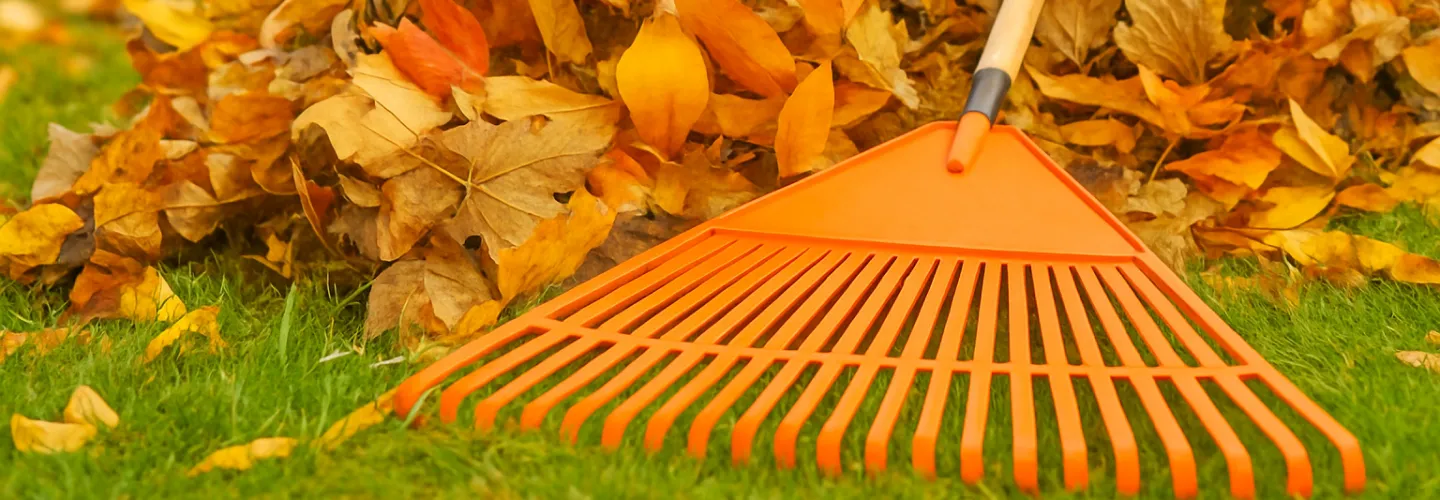
Arborwood Preserve Green Waste Disposal Services
Choose our Green Waste Disposal service for reliable, environmentally responsible removal that keeps your property pristine while supporting a healthier planet.
Get a Free QuoteOur Arborwood Preserve Landscaping & Yard Care Services
When to Schedule Green Waste Disposal in Arborwood Preserve, Florida – Seasonal Guide
In Arborwood Preserve, Florida, the timing of green waste disposal is closely tied to our unique subtropical climate and the specific needs of local landscapes. With warm, humid summers and mild winters, the optimal periods for scheduling green waste removal are typically late winter through early spring and again in late summer to early fall. These windows align with the region’s primary growth and pruning cycles, ensuring that yard debris is managed efficiently and in accordance with local environmental guidelines.
Homeowners in neighborhoods like The Plantation and Pelican Preserve should pay special attention to factors such as the last frost date—usually in early February—and the onset of the rainy season, which can lead to rapid vegetation growth and increased debris. Soil composition in Arborwood Preserve, often sandy with moderate drainage, combined with shaded areas from mature oaks and palms, can influence how quickly organic material accumulates. For more information on local regulations and best practices, visit the Sudbury municipal site.
Local Factors to Consider for Green Waste Disposal in Arborwood Preserve
- Tree density and species (e.g., palms, live oaks, and pines)
- Terrain and accessibility of your property
- Seasonal precipitation and humidity levels
- Municipal restrictions on disposal timing and methods
- Proximity to water features or conservation areas
- Recent storm activity or drought conditions
Benefits of Green Waste Disposal in Arborwood Preserve
Eco-Friendly Landscaping Solutions
Efficient Green Waste Removal
Promotes Healthy Plant Growth
Enhances Curb Appeal
Reduces Landfill Waste
Supports Sustainable Practices
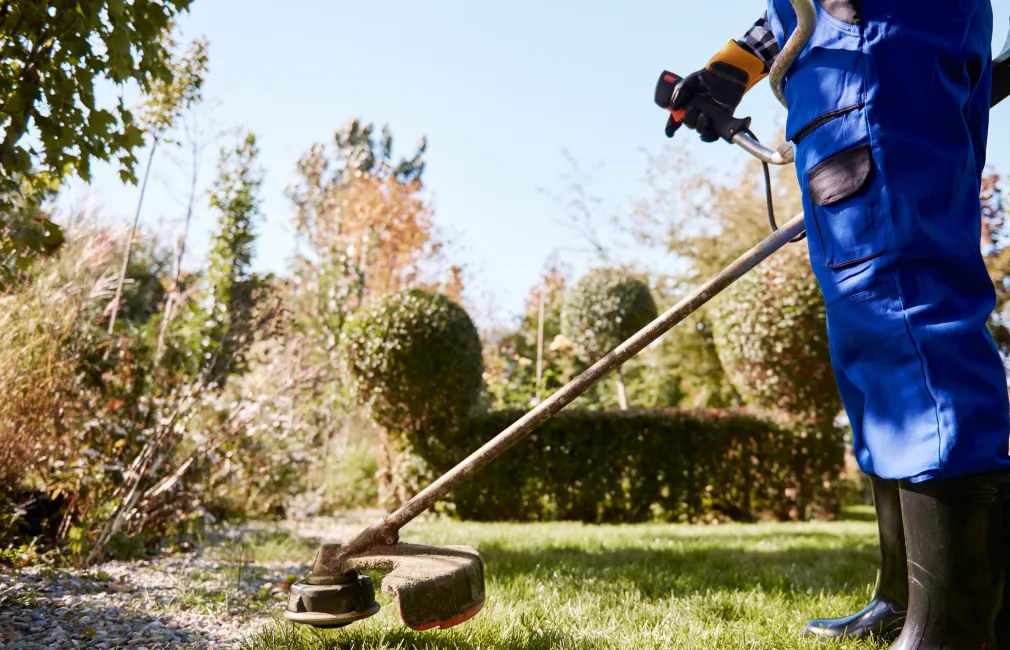
Arborwood Preserve Green Waste Disposal Types

Grass Clippings
-
Tree Branches
-
Shrub Trimmings
-
Leaves Collection
-
Palm Fronds
-
Garden Weeds
-
Mulch Disposal
Our Green Waste Disposal Process
Collection of Green Waste
Sorting and Separation
Transport to Disposal Facility
Eco-Friendly Processing
Why Choose Arborwood Preserve Landscape Services
-
Arborwood Preserve Homeowners Trust Us
-
Reliable Lawn Maintenance
-
Competitive Pricing
-
Professional Team
-
Satisfaction Guarantee
-
Personalized Service
-
Prompt Response Times
Coordinating Green Waste Disposal Through Fort Myers Public Works for Arborwood Preserve Residents
Arborwood Preserve is a master-planned community within the City of Fort Myers in Lee County, Florida, and residents must coordinate green waste disposal through the city's established municipal programs. Fort Myers Public Works oversees curbside collection of yard debris including grass clippings, leaves, palm fronds, and branches under 6 feet in length and 4 inches in diameter. Acceptable placement requires loose piling at the curb or placement in reusable containers no heavier than 50 pounds. Yard waste must be separated from household trash and construction debris. Residents should avoid placing green waste within 10 feet of storm drains, mailboxes, or fire hydrants. Collection typically occurs on a weekly rotating schedule; verify your specific pickup day through the city's solid waste division.
City of Fort Myers Public Works
2200 Second Street, Fort Myers, FL 33901
Phone: (239) 321-7000
Official Website: City of Fort Myers Public Works
Proper separation of green waste from other refuse prevents contamination of composting streams and ensures compliance with the Florida Environmental Protection Act and local solid waste ordinances.
How Arborwood Preserve's Sandy Entisol Soils Affect Yard Debris Decomposition and Disposal Timing
The soils underlying Arborwood Preserve consist predominantly of Entisols and Spodosols characteristic of southwest Florida's coastal plain, including Immokalee fine sand and Oldsmar fine sand series. These sandy soils feature:
- Rapid drainage: Water percolates quickly through the profile, reducing standing moisture that would otherwise accelerate natural decomposition of yard debris
- Low organic matter content: Typically below 2% in the upper horizon, meaning fallen leaves and clippings decompose slowly without supplemental composting
- Acidic pH range: Generally pH 4.5–6.0, which slows microbial breakdown of woody material such as palm frond stems and hardwood branches
- Seasonal high water table: Often within 12–24 inches of the surface during the June–October wet season, creating saturated conditions that can cause piled green waste to leach tannins into stormwater
Residents can research their specific parcel's soil profile through the USDA Web Soil Survey. Understanding these soil characteristics helps property owners determine whether on-site composting is feasible or whether curbside disposal through the city program is the more appropriate option. Composting on sandy soils typically requires a contained bin system with added nitrogen amendments at a carbon-to-nitrogen ratio of approximately 25:1 to 30:1.
Protecting Arborwood Preserve's Stormwater Infrastructure and Nearby Wetlands During Green Waste Removal
Arborwood Preserve's network of retention ponds, swales, and drainage canals connects to the broader Caloosahatchee River watershed, making proper green waste management a matter of environmental compliance. Under the City of Fort Myers' Municipal Separate Storm Sewer System (MS4) permit, yard debris must not enter stormwater conveyances. Key compliance requirements include:
- Maintain a minimum 25-foot buffer from retention pond edges when staging green waste for pickup
- Never blow or rake grass clippings, leaves, or palm debris into street gutters, swales, or storm drain inlets
- Avoid stockpiling yard waste on slopes draining toward community lakes or canal banks
- Remove floating vegetative debris from retention pond littoral shelves only with Arborwood Community Development District authorization
Violations can trigger enforcement actions under the Clean Water Act and Florida's MS4 program administered by the Florida Department of Environmental Protection. EPA Region 4 oversees federal stormwater compliance for southwest Florida communities.
Arborwood Community Development District
2300 Glades Road, Suite 410W, Boca Raton, FL 33431
Phone: (561) 571-0010
Official Website: Arborwood Community Development District
The CDD maintains authority over common-area stormwater infrastructure and can provide guidance on approved disposal practices near community water features.
Seasonal Green Waste Volume Patterns in Arborwood Preserve's Zone 10a Climate
Arborwood Preserve falls within USDA Hardiness Zone 10a, where year-round growing conditions produce continuous green waste generation rather than the seasonal peaks typical of northern climates. The USDA Plant Hardiness Zone Map confirms minimum winter temperatures of 30–35°F for this area, meaning St. Augustinegrass (Stenotaphrum secundatum), tropical ornamentals, and palms remain actively growing for most of the year. Peak disposal volumes typically occur during:
- June through September: Rapid turf growth during the wet season generates heavy clipping volumes; mowing frequency increases to every 5–7 days
- October through November: Hurricane season debris including downed palm fronds, broken branches, and wind-scattered leaf litter
- March through May: Spring flush of new growth on tropical shrubs, bougainvillea, and hibiscus requiring heavy pruning
- December through February: Reduced but steady output from cold-damaged foliage removal and winter lawn maintenance
The National Weather Service Miami office provides tropical weather advisories that help residents anticipate storm-related debris surges. UF/IFAS Extension publishes region-specific lawn and landscape maintenance calendars that align pruning and cleanup schedules with optimal plant health timing for Lee County.
What Streets and Subdivisions Do We Serve Throughout Arborwood Preserve, FL?
- Arborwood Boulevard corridor: The main entry boulevard features mature live oaks and sabal palms lining both sides, generating significant leaf litter and frond drop year-round. Sandy Immokalee soils along this corridor drain rapidly, requiring prompt debris removal to prevent organic buildup in adjacent swales.
- Homes along Abaco Drive near the community lakes: Properties backing onto retention ponds face heightened stormwater compliance requirements, with mandatory 25-foot no-staging buffers for green waste. Lot sizes here typically support larger landscape plantings that produce substantial seasonal pruning debris.
- The Banyan Court and Cypress Bend areas: These interior subdivisions feature narrower residential streets with limited curbside staging space, requiring compact debris bundling. Mature tropical landscaping including royal palms and ficus hedges generates heavy woody waste volumes.
- Residences along Coconut Road near the preserve boundary: Properties adjacent to natural conservation areas must exercise particular care to prevent green waste from migrating into protected upland habitat. Florida Forest Service county foresters can advise on buffer management.
- The Palmetto Ridge section: Newer construction with recently established landscapes produces lighter but more frequent green waste from fast-growing tropical plantings and fresh sod establishment clippings.
Fort Myers Ordinance Requirements for Green Waste Staging, Container Use, and Prohibited Materials
The City of Fort Myers municipal code establishes specific requirements governing how residents in communities like Arborwood Preserve must prepare and stage green waste for collection. Key regulations include:
- Placement timing: Green waste may be placed curbside no earlier than 5:00 PM the day before scheduled collection and containers must be retrieved by 10:00 PM on collection day
- Branch specifications: Limbs must not exceed 6 feet in length or 4 inches in diameter; larger material requires scheduling a special bulk pickup or transport to the Lee County Resource Recovery facility
- Prohibited materials: Treated lumber, painted wood, root balls with attached soil exceeding 25 pounds, and any vegetation treated with restricted-use pesticides within 48 hours
- Container standards: Reusable bins not exceeding 32-gallon capacity and 50 pounds total weight; biodegradable paper bags accepted; plastic bags prohibited for yard waste
City of Fort Myers Building Permitting and Inspections
1825 Hendry Street, Fort Myers, FL 33901
Phone: (239) 321-7910
Official Website: City of Fort Myers Building Permitting and Inspections
For large-scale land clearing or tree removal projects generating volumes exceeding standard curbside limits, property owners should coordinate with the city's planning division and may require a land-clearing permit.
City of Fort Myers Planning
1825 Hendry Street, Fort Myers, FL 33901
Phone: (239) 321-7000
Official Website: City of Fort Myers Planning