
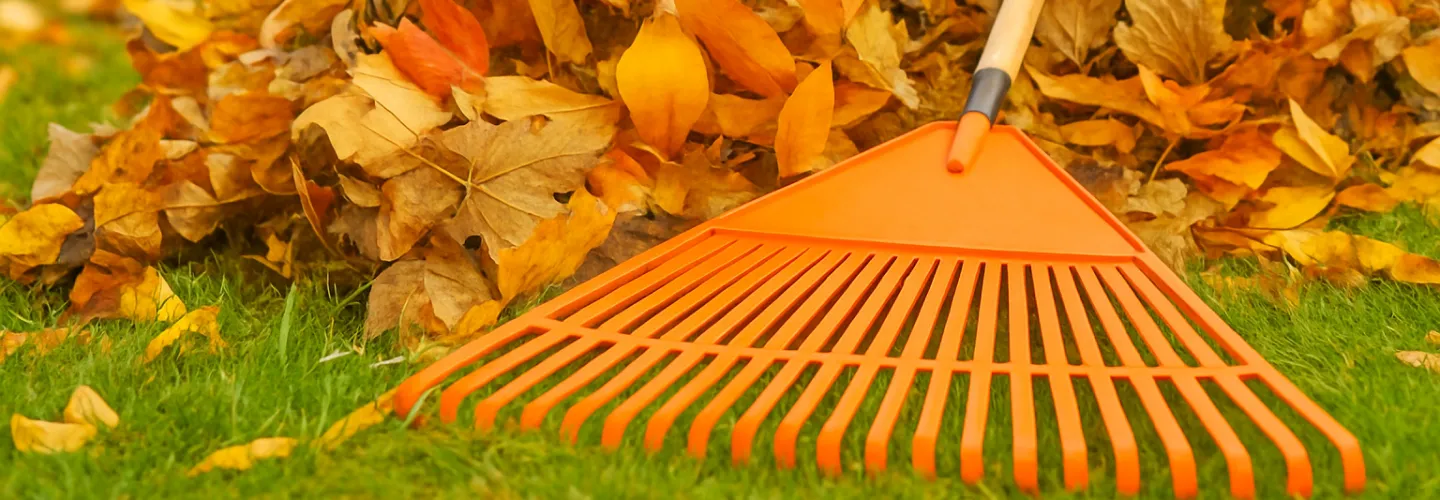
Arborwood Preserve Leaf Removal Services
Choose our Leaf Removal service for a hassle-free experience, expert care, and a pristine yard that enhances your home's curb appeal all season long.
Get a Free QuoteOur Arborwood Preserve Landscaping & Yard Care Services
When to Schedule Leaf Removal in Arborwood Preserve, Florida – Seasonal Guide
In Arborwood Preserve, Florida, the timing of leaf removal is closely tied to our unique subtropical climate and the specific landscape features found throughout the community. Unlike northern regions with a single, dramatic autumn leaf drop, Arborwood Preserve experiences a more gradual shedding of leaves, particularly from live oaks and ornamental trees common along Arborwood Parkway and near the Clubhouse. The optimal periods for leaf removal are typically late fall through early winter, after the majority of leaves have fallen but before the onset of increased winter rainfall and potential frost events.
Local environmental factors such as high humidity, periodic drought risk, and the sandy, well-draining soils of Arborwood Preserve all play a role in determining the best schedule for leaf removal. Homes with dense shade coverage, especially those bordering the preserve areas or near the lakes, may require more frequent service to prevent leaf buildup that can harbor pests or impede turf health. For more information on local environmental guidelines, visit the Sudbury municipal resource.
Local Factors to Consider for Leaf Removal in Arborwood Preserve
- Tree density and species (live oaks, palms, ornamentals)
- Proximity to water features and preserve areas
- Soil type and drainage characteristics
- Seasonal precipitation patterns and humidity
- Frost dates and drought risk
- Municipal restrictions or HOA guidelines
- Terrain slope and accessibility
Benefits of Leaf Removal in Arborwood Preserve

Enhanced Curb Appeal
Healthier Lawns and Gardens
Prevention of Pest Infestations
Improved Safety and Accessibility
Professional and Reliable Service
Time and Effort Savings
Arborwood Preserve Leaf Removal Types

Seasonal Leaf Cleanup
-
Curbside Leaf Collection
-
Mulching Leaf Removal
-
Vacuum Leaf Removal
-
Bagged Leaf Pickup
-
On-Site Leaf Composting
-
Gutter Leaf Clearing
Our Leaf Removal Process
Site Evaluation
Leaf Gathering
Collection and Removal
Final Inspection
Why Choose Arborwood Preserve Landscape Services
-
Arborwood Preserve Homeowners Trust Us
-
Reliable Lawn Maintenance
-
Competitive Pricing
-
Professional Team
-
Satisfaction Guarantee
-
Personalized Service
-
Prompt Response Times
Arborwood Preserve's Sandy Entisol Soils and Leaf Decomposition Challenges in Southwest Florida
Arborwood Preserve sits within USDA Hardiness Zone 10a, where the predominantly sandy Entisol and Spodosol soils characteristic of Lee County present distinct challenges for leaf removal and organic debris management. Unlike clay-based soils that retain moisture and accelerate decomposition, the excessively drained fine sands found throughout this community—typically with pH levels between 5.5 and 6.5—allow fallen leaves to dry rapidly and scatter across properties during afternoon sea breezes. Dominant canopy species including live oak (Quercus virginiana), royal palm (Roystonea regia), and mahogany (Swietenia mahagoni) produce leaf litter year-round rather than during a single autumn season, requiring ongoing removal schedules. Residents can research site-specific soil drainage characteristics through the USDA Web Soil Survey to understand how local conditions affect organic matter accumulation. The UF/IFAS Extension Lee County office provides guidance on composting leaf debris suited to these sandy, low-nutrient soils, recommending incorporation of 2–3 inches of composted leaf material tilled to a 6-inch depth to improve moisture retention and organic content.
Coordinating Leaf Debris Disposal Through Fort Myers and Lee County Waste Programs
Arborwood Preserve falls within the City of Fort Myers municipal boundaries, and residents must coordinate leaf and yard waste disposal through established city and county programs. Fort Myers Public Works oversees curbside yard waste collection, which typically operates on a weekly schedule. Acceptable materials include:
- Leaves, grass clippings, and small brush bundled or bagged
- Biodegradable paper bags or reusable containers (32-gallon maximum)
- Branches must not exceed 4 feet in length or 4 inches in diameter
- Plastic bags are prohibited for yard waste disposal
- Loose leaf piles must be placed curbside by 6:00 AM on collection day
Residents should avoid placing leaf debris near storm drains, as this violates the City of Fort Myers MS4 stormwater permit requirements under the Clean Water Act. Leaves entering the municipal stormwater system contribute excess nutrients to the Caloosahatchee River and downstream estuaries.
City of Fort Myers Public Works
2200 Second Street, Fort Myers, FL 33901
Phone: (239) 321-7000
Official Website: City of Fort Myers Public Works
The Arborwood Community Development District also maintains common-area landscaping standards that may affect how leaf debris is managed along shared roadways and preserve buffers.
Arborwood Community Development District
219 East Livingston Street, Orlando, FL 32801
Phone: (407) 841-5524
Official Website: Arborwood Community Development District
Protecting Arborwood Preserve's Wetland Buffers and Stormwater Infrastructure During Leaf Removal
Arborwood Preserve borders several conservation areas and retention ponds integral to Lee County's stormwater management network. Leaf removal operations near these sensitive zones must comply with the Florida Environmental Protection Act and local MS4 permit conditions enforced through EPA Region 4. Key environmental compliance requirements include:
- Maintain a minimum 25-foot no-disturbance buffer from wetland boundaries and retention pond edges
- Never blow or rake leaf debris into stormwater conveyance swales, catch basins, or drainage ditches
- Avoid using leaf blowers within 15 feet of open water features during windy conditions (sustained winds above 15 mph)
- Collected leaf material must not be stockpiled within 50 feet of any surface water body
- Mulching mowers or vacuum collection systems are preferred over blowing methods near preserve areas
The Florida Department of Environmental Protection (FDEP) regulates nutrient loading in the Caloosahatchee River watershed, and decomposing leaf matter entering waterways contributes phosphorus and nitrogen that fuel harmful algal blooms. Property owners adjacent to preserve boundaries should schedule leaf removal before the wet season intensifies in June to prevent organic debris from washing into drainage infrastructure during heavy rainfall events averaging 7–9 inches per month from June through September.
Florida Department of Environmental Protection
2600 Blair Stone Road, Tallahassee, FL 32399
Phone: (850) 245-2118
Official Website: Florida Department of Environmental Protection
Optimal Leaf Removal Timing for Arborwood Preserve's Year-Round Growing Season
Unlike northern climates with a concentrated autumn leaf drop, Arborwood Preserve's subtropical Zone 10a climate produces continuous leaf shedding across multiple species and seasons. Effective scheduling requires understanding local phenology patterns monitored by the National Weather Service Miami office:
- January–March: Live oaks undergo their primary leaf exchange, dropping old foliage as new growth emerges; this is the heaviest single-species leaf drop period
- April–May: Royal poinciana (Delonix regia) and mahogany shed leaves before flowering; dry-season winds scatter debris across properties
- June–September: Wet season reduces airborne leaf scatter but increases decomposition rates and mold growth on accumulated debris; remove leaves within 48–72 hours of accumulation to prevent fungal issues on St. Augustinegrass (Stenotaphrum secundatum)
- October–December: Tropical hardwoods including gumbo-limbo (Bursera simaruba) and strangler fig (Ficus aurea) drop leaves intermittently; schedule biweekly removal minimum
Morning operations between 7:00 AM and 11:00 AM are recommended to avoid afternoon thunderstorms typical from June through October and to comply with community noise considerations. Equipment operation is generally permitted Monday through Saturday from 7:00 AM to 7:00 PM, with Sunday work prohibited under typical Fort Myers noise ordinance provisions.
How Arborwood Preserve's CDD Standards Affect Leaf Removal Equipment and Safety Protocols
The Arborwood Community Development District maintains landscape and property maintenance standards that directly influence leaf removal practices within the community. Operators working in Arborwood Preserve should adhere to the following equipment and safety requirements:
- Hearing protection: Earmuffs or plugs rated for 85+ dB when operating commercial leaf blowers (typically 75–100 dB at operator position)
- Eye protection: ANSI Z87.1 rated safety glasses to guard against airborne debris
- Footwear: Closed-toe, non-slip work boots; steel-toed preferred for commercial operations
- Equipment maintenance: Backpack blowers must have functioning mufflers; catalytic converters required on all gas-powered equipment per EPA Phase II small engine standards
- Debris containment: Tarps or vacuum systems preferred over open blowing in areas adjacent to neighboring properties and roadways
Commercial operators should carry proof of liability insurance and verify compliance with Florida's business licensing requirements. The Florida Forest Service County Foresters office can provide guidance on fire risk associated with accumulated dry leaf litter during the dry season (November through May), when brush fire danger increases significantly in Lee County.
What Streets and Subdivisions Do We Serve Throughout Arborwood Preserve, FL?
- Arborwood Boulevard: The main collector road through the community features mature live oak canopy producing heavy year-round leaf litter; homes along this corridor near the community entrance require frequent removal due to dense shade coverage and proximity to stormwater swales.
- Corkscrew Palms Boulevard: Properties in this subdivision area experience significant royal palm frond and leaf drop; the sandy soils drain rapidly, causing dry leaves to accumulate against foundations and fences, requiring biweekly collection.
- Preserve Estates Section: Homes backing to conservation wetland buffers near the eastern boundary must observe 25-foot no-disturbance setbacks during leaf removal; vacuum collection methods are recommended over blowing to prevent debris migration into protected areas.
- Arborwood Village Center Area: Higher-density townhome parcels along interior streets near the community amenity center generate concentrated leaf debris in shared courtyards and parking areas, requiring coordinated removal schedules with the CDD.
- Lakeside Lots Along Retention Ponds: Properties adjacent to the community's stormwater retention lakes must prevent leaf accumulation from entering water features; a 15-foot operational buffer from pond edges is recommended to maintain water quality and comply with FDEP nutrient loading standards.